Installing blinds and window treatments in U.S. homes may seem simple, but it requires accurate measurements and proper mounting. Most windows have wood or composite frames, with drywall around them, which is not always suitable for load-bearing without the correct hardware.
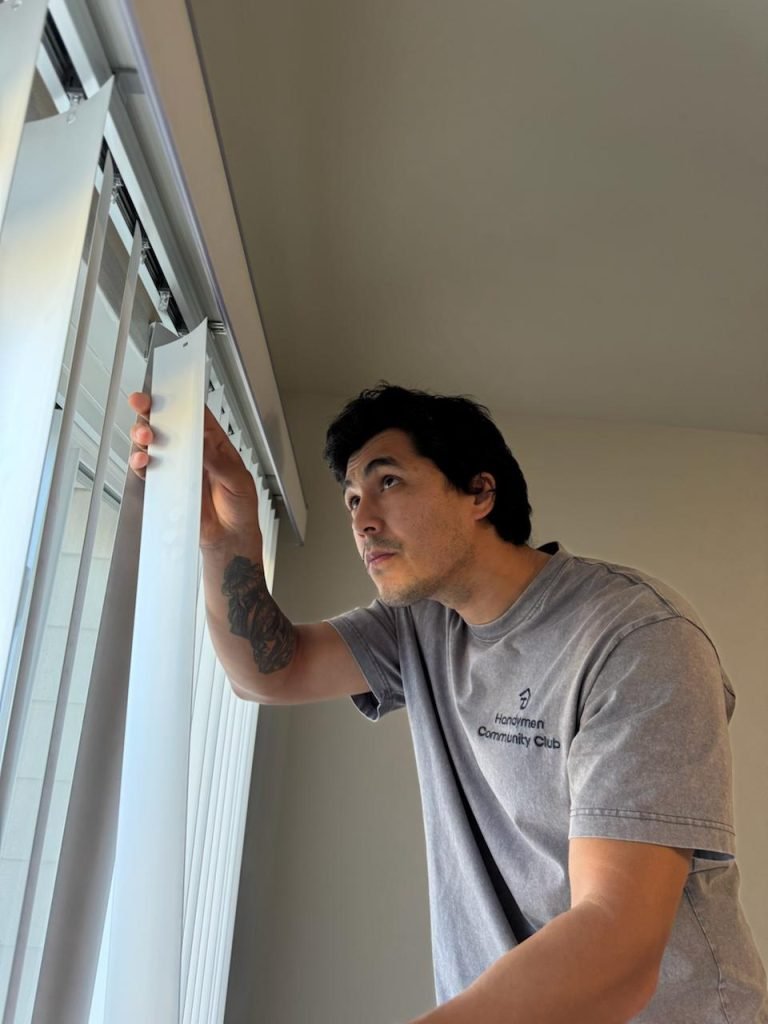
Before installation, it’s important to choose the mounting type: inside mount (inside the window opening) or outside mount (mounted on the wall or window frame). Choosing the wrong type can cause misalignment, poor operation, and an unclean appearance.
For an inside mount, precise measurements of the window width and depth are critical. Blinds must fit freely inside the frame without rubbing against the glass or handles. Mounting is typically done into the top of the window frame, not into drywall.
For an outside mount, blinds are installed on the wall or above the window frame. It’s important to use hardware appropriate for the surface—wood, metal, or drywall with anchors. Guesswork during installation often leads to crooked blinds and visible gaps.
Hardware must always match the mounting surface. Wood screws are used for wood frames, anchors for drywall, and proper fasteners for metal surfaces. Cheap universal hardware tends to loosen over time.
After the brackets are installed, the blinds must be checked for level, smooth raising and lowering, and proper tilt operation. Even a slight misalignment can reduce the lifespan of the blinds.
Professional Blinds Installation in San Francisco & Bay Area
Installation of blinds, shades, and curtains, inside and outside mount, apartments, houses, and condos. Clean, level installation tailored to U.S. window and wall standards.