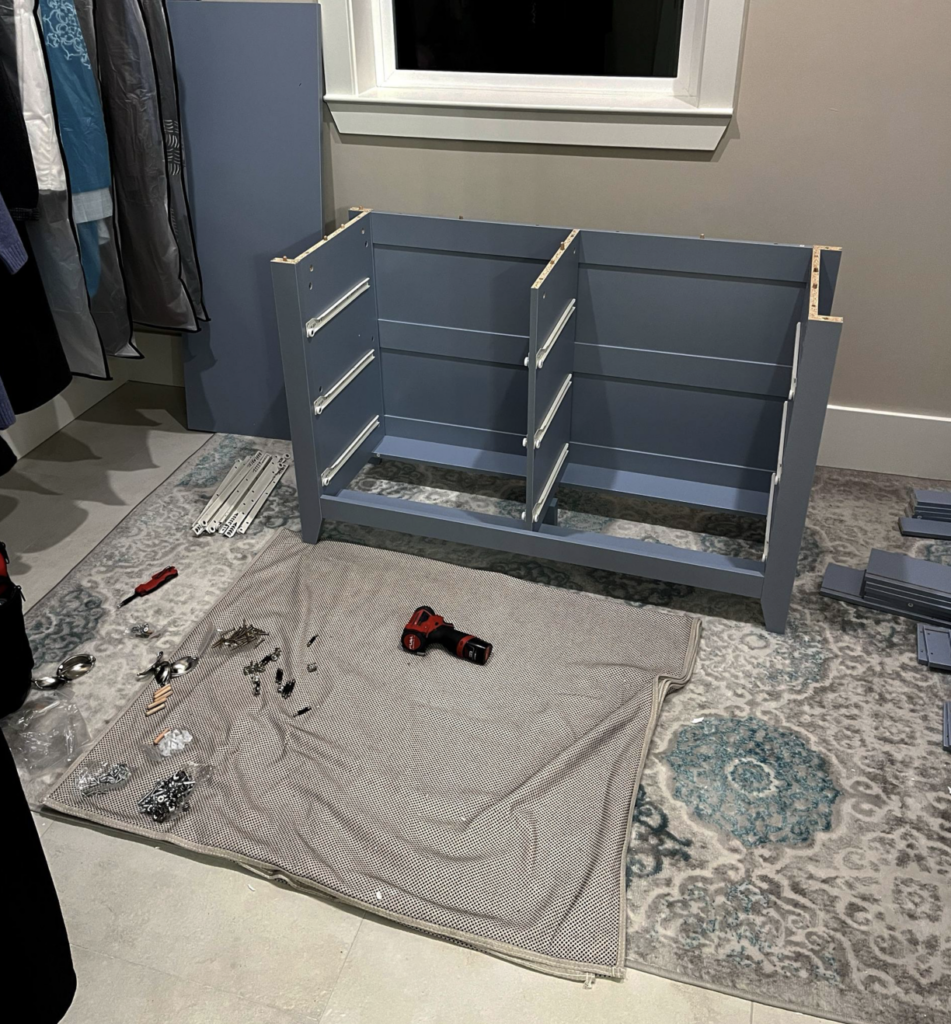
Furniture assembly in U.S. homes often looks simple, but in reality it requires accuracy, patience, and a good understanding of how the structure works. Most furniture is delivered flat-packed, and mistakes during assembly can lead to misalignment, squeaks, and a shorter lifespan.
Before starting, it’s important to check that all parts and hardware are included. A missing bolt or incorrect fastener can stop the entire process halfway through. Reviewing the instructions in advance and understanding the sequence of steps helps avoid unnecessary rework.
Proper leveling is critical. Cabinets, dressers, beds, and tables must be assembled perfectly level. Even a slight misalignment can cause doors to shift, drawers to stick, and joints to loosen over time.
Hardware should always be used as intended. Replacing original fasteners with “similar” ones or using cheap universal hardware may look fine at first, but furniture often becomes unstable later. This is especially important for cabinets, shelving units, and furniture with doors.
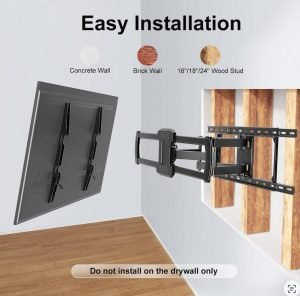
After assembly, stability and functionality should be checked: drawers should slide smoothly, hinges should align correctly, and all moving parts should operate as intended. When wall anchoring is required—which is common in the U.S. for safety reasons—the correct anchors must be used based on the wall type.
If you’re located in San Francisco and want your furniture assembled properly and securely, I can help with that on site—from simple items to more complex setups.
Handyman in San Francisco, Artur Astanov