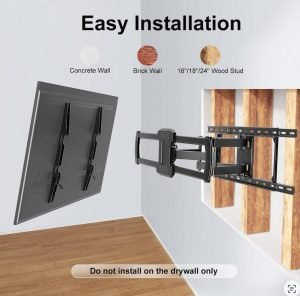
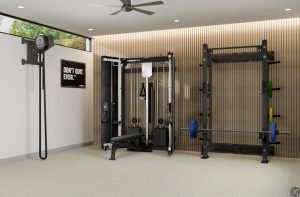
Mounting shelves and racks to a wall requires precision and a clear understanding of wall construction. Mistakes during installation can lead not only to wall damage but also to serious safety risks.
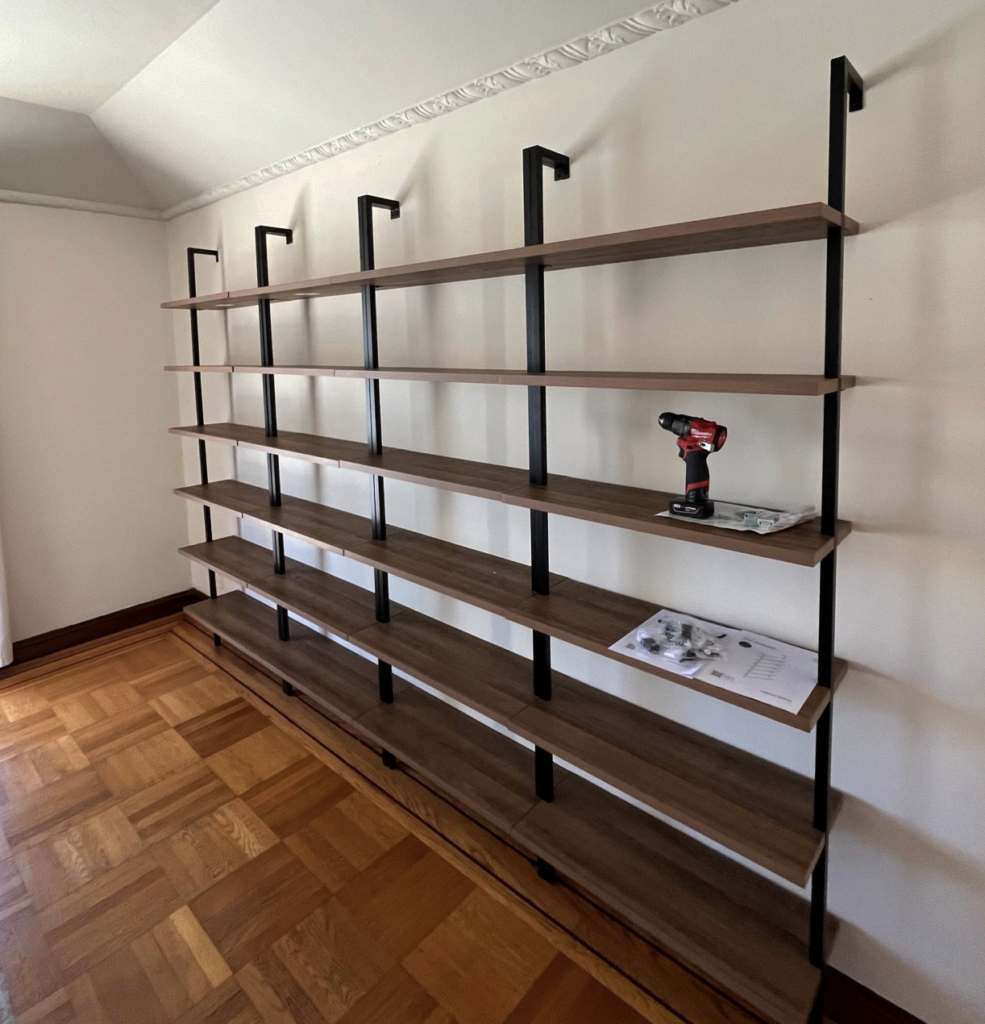
Before drilling, it’s critical to make sure there are no pipes or electrical wires in the mounting area. In U.S. homes and apartments, utilities are often hidden inside the walls, and hitting a pipe can cause major damage. That’s why using a stud finder is essential—it helps locate studs, pipes, and wiring behind the wall.
The wall type matters. Wood studs, metal framing, and drywall each require different installation methods and hardware. Shelves and racks that are not mounted directly into studs must be secured with proper anchors designed for the expected load.
Using incorrect or low-quality anchors is one of the most common reasons shelves begin to sag or pull out of the wall over time. Hardware must match both the wall type and the weight of the installation, with the load distributed evenly.
After installation, it’s important to check level, stability, and overall security. A properly mounted shelf or rack should feel solid, remain level under load, and be safe for everyday use.
If you’re located in San Francisco and want your shelves or racks mounted safely and professionally, I can help with this work while accounting for wall type, load requirements, and hidden utilities.